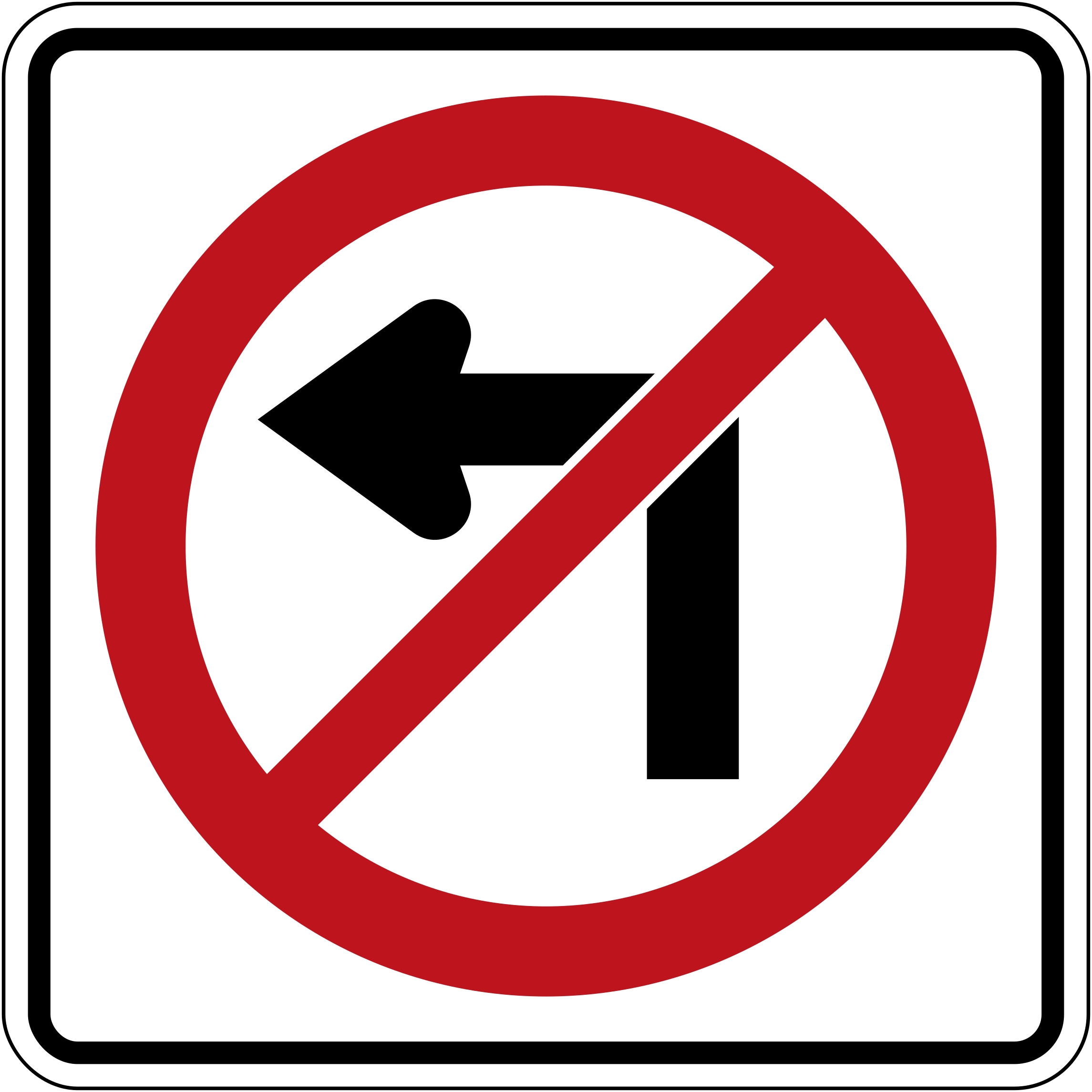
Regulatory signs tell you what you must or must not do. They have the force of law. Disobeying one is a traffic offence that can bring fines and demerit points. Most are square or rectangular with white or black backgrounds. A green circle means an action is allowed; a red circle with a line through it means the action is prohibited.
- Stop sign (red octagon, white letters): come to a complete stop at the stop line, the crosswalk, or the edge of the intersection, whichever you reach first, then proceed only when the way is clear.
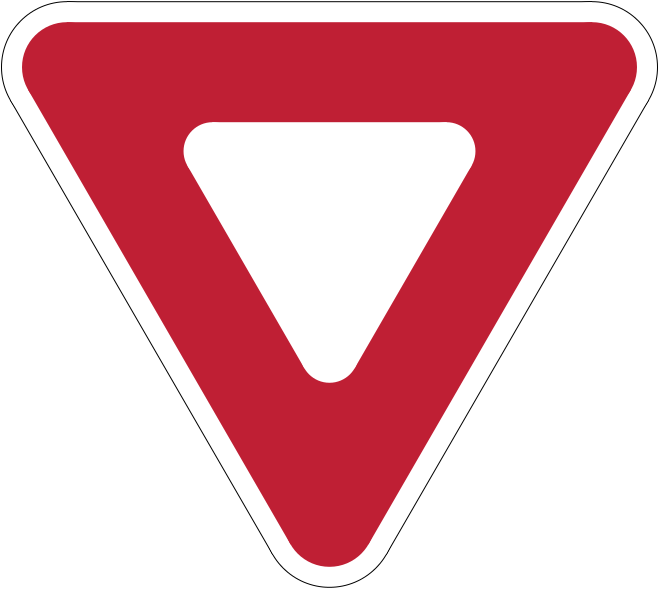
- Yield sign (downward triangle, white background with a red border): slow down or stop if necessary, and let other traffic and pedestrians go first. You need not stop if the way is clear, but you must give way.
- Speed limit (white rectangle, e.g. "MAXIMUM 50"): the posted number is the legal maximum for ideal conditions, not a target.
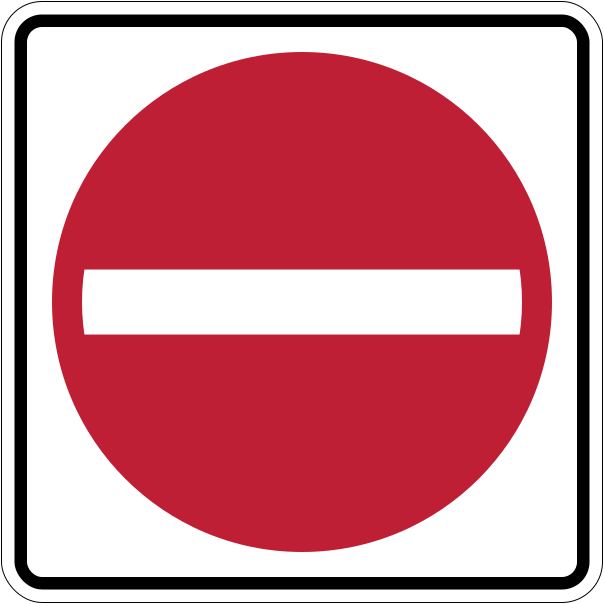
- Prohibition signs: "Do Not Enter", no left turn, no right turn, no U-turn, no parking, and similar signs forbid a specific action.
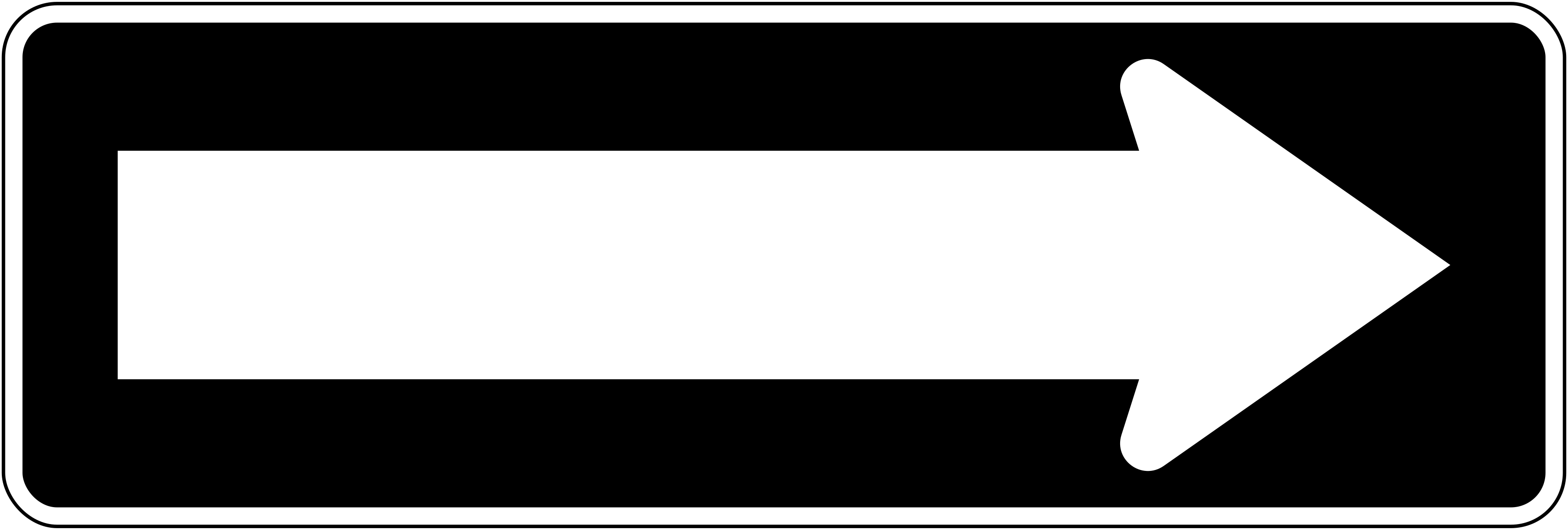
- One-way signs: a single horizontal arrow marks a road on which all traffic moves in one direction only.
- HOV (high-occupancy vehicle) lane signs: reserve a lane for buses and passenger vehicles carrying at least a posted minimum number of people.
- Reserved-lane and bicycle-route signs: mark lanes set aside for specific users, or roads that are official cycling routes where you should watch for cyclists.
- Accessible-parking signs: a space is for vehicles displaying a valid Accessible Parking Permit only.
- Pedestrian-crossover sign: a regulatory sign telling you to be prepared to stop and yield the right-of-way to pedestrians.
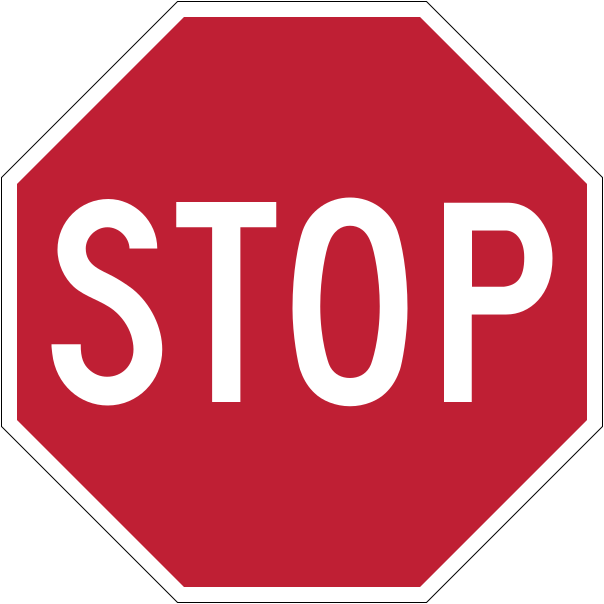



Common mistake: rolling through a stop sign because the intersection looks empty. The law requires a complete stop (wheels fully stopped) every time, clear road or not.
⚠️ Trap: A yield sign does not always require a stop, but a stop sign always does. Test questions deliberately blur the two.
Recall: At a stop sign with a marked stop line, where exactly must you stop? What is the difference between what a yield sign and a stop sign demand?